"Highly recommend this experience for anyone visiting Chania. Amazing way to learn about the Cretan culture with the most amazing view up in the mountains. Transportation, a guided tour, and a cooking class with a wonderful dinner at the end made this 100% worth it!"
Cretan Cooking Classes — Compare Every Class on the Island
Cook a full Cretan meal in a village kitchen — pick the herbs from the garden, bake in a wood-fired oven, then sit down and eat it. Classes across Chania, Rethymno, Heraklion and Lasithi, compared.
From
$123
per person
Free cancellation
- 4.9 / 5 727+ Reviews
- 6 hours Duration
- Small Groups Hands-On Cooking
- Wine & Raki Included Throughout
- Free Cancellation
The Experience
The Class Most Travellers Book
Six hours in the White Mountains above Chania, transport included — the highest-rated cooking class on the island by a wide margin.
Highlights
- Cook a full Cretan meal in a mountain kitchen above Chania
- Pick herbs and vegetables from the garden they are cooked with
- Walk to a shepherd's enclave and hear how the olive harvest works
- Taste local cheese and regional wines alongside every course
What's Included
- Hotel pickup and drop-off
- Local driver and guide
- Transport by air-conditioned minivan
- Small-group cooking class and full meal
- All ingredients
- Apron and cooking utensils
- Wine and food tasting
- A commemorative gift
- Recipes and photographs emailed after the class
- Liability insurance and local taxes
Book Your Class
Check Availability & Prices
Select your preferred date and time. Instant confirmation — free cancellation up to 24 hours before departure.
How Booking Works
Reserve online, pay nothing today, and cancel free up to 24 hours before.
Pick Your Region First
Chania, Rethymno, Heraklion and Lasithi have separate operators and separate prices. Book near where you are staying — the drives are longer than the map suggests.
Check What the Price Covers
Only two classes on this site include hotel pickup: the White Mountains class above Chania and the 4x4 day in Lasithi. The rest expect you to arrive by car or taxi, so add the fare in both directions before you compare prices.
Reserve Without Paying
Pick a date on the calendar and reserve. Most classes take no payment today and cancel free up to 24 hours before, so you can hold a slot while your plans settle.
Tell the Host What You Eat
Vegetarian versions are straightforward almost everywhere but rarely stated in the listing. Message the host through GetYourGuide after booking so the shopping is done for it.
Can't Make These Dates?
Browse More Available Options
Find a tour that fits your schedule — all with instant confirmation and free cancellation.
How It Actually Works
What a Cretan Cooking Class Really Looks Like
Here is the thing the listings do not spell out: you will spend more of the afternoon eating than cooking. A four-hour class is roughly forty minutes of welcome, half an hour in the garden, an hour and a half at the board, and then two hours at the table. That is not padding — the long meal is the class. Book it as your afternoon, not as something to fit between the beach and dinner.
- You arrive, and nobody rushes you — Coffee, homemade lemonade or a first raki, and something small to eat while the menu is explained. Every class on this site starts this way. It is not a formality — it is how the host works out what you can already do.
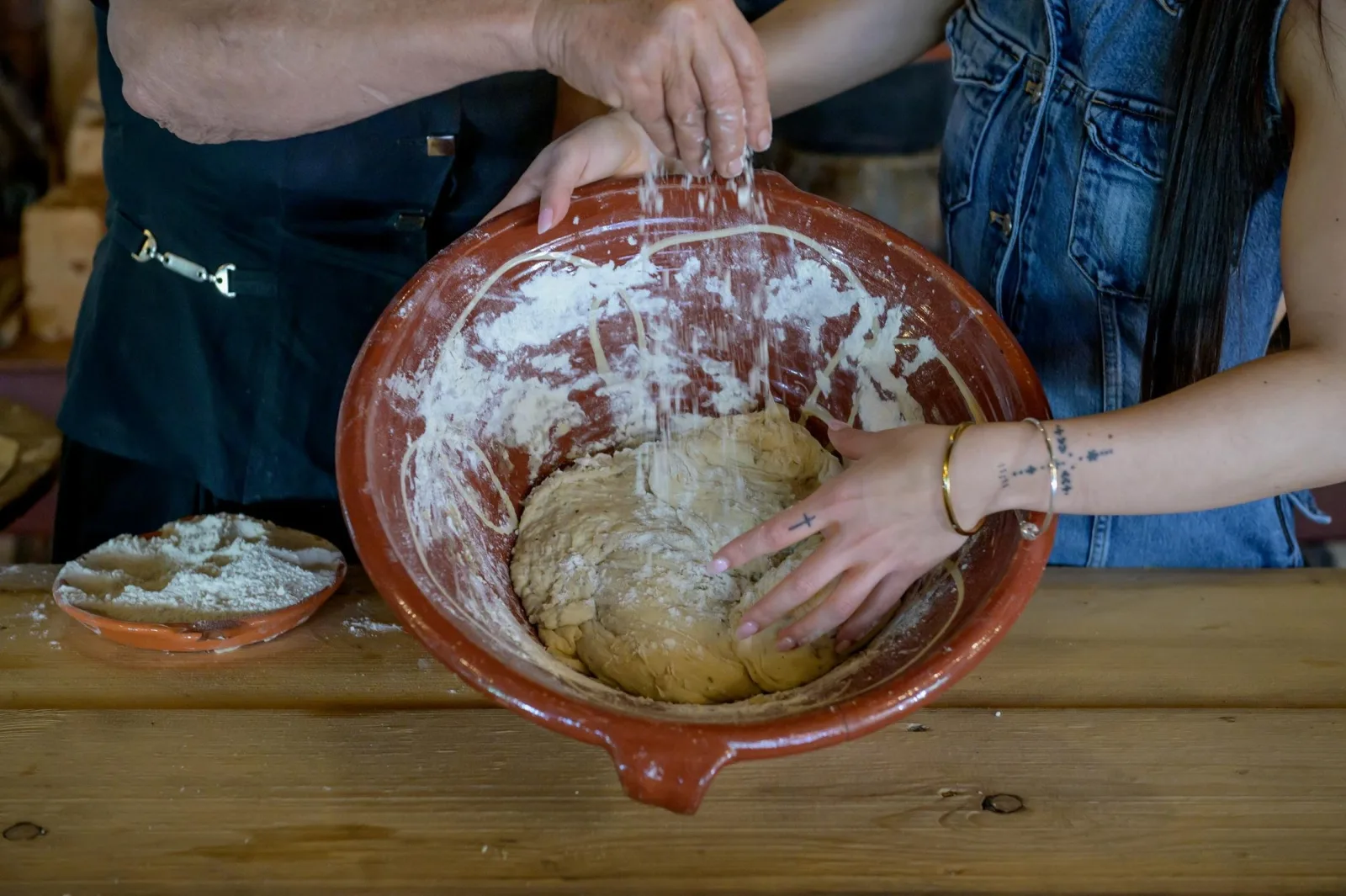
- The oven gets lit before you touch anything — Wherever there is a wood-fired oven — Nerokourou, Pigi, Stylos — the slow dish goes in first, because lamb needs more than two hours. The rest of the class is built around that clock.
- You go to the garden, not the fridge — Herbs, tomatoes, courgettes, wild greens. This is where most of the actual teaching happens: what chórta means, why dittany and wild oregano are not interchangeable, and how much olive oil is 'enough' in a Cretan kitchen (more than you think).
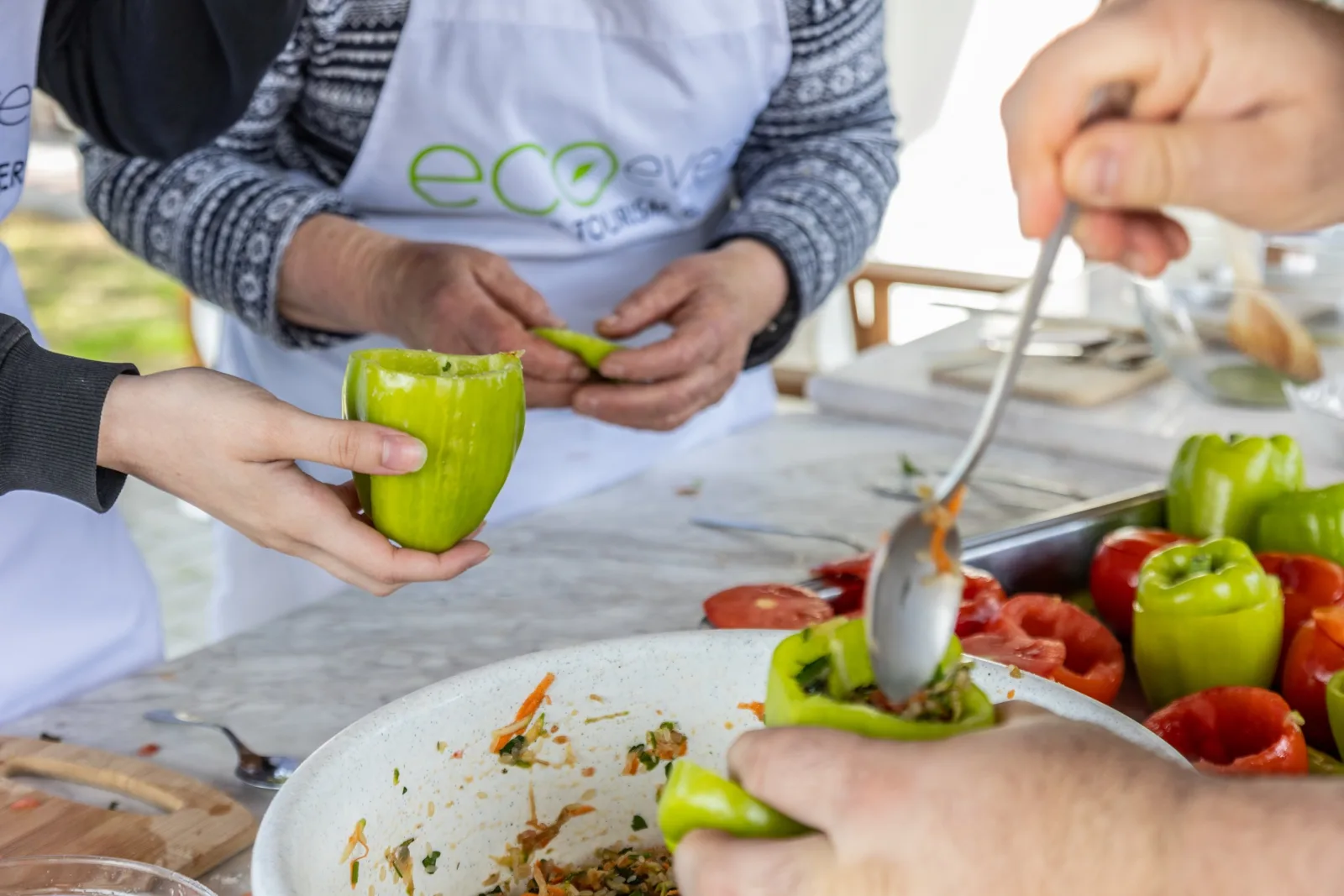
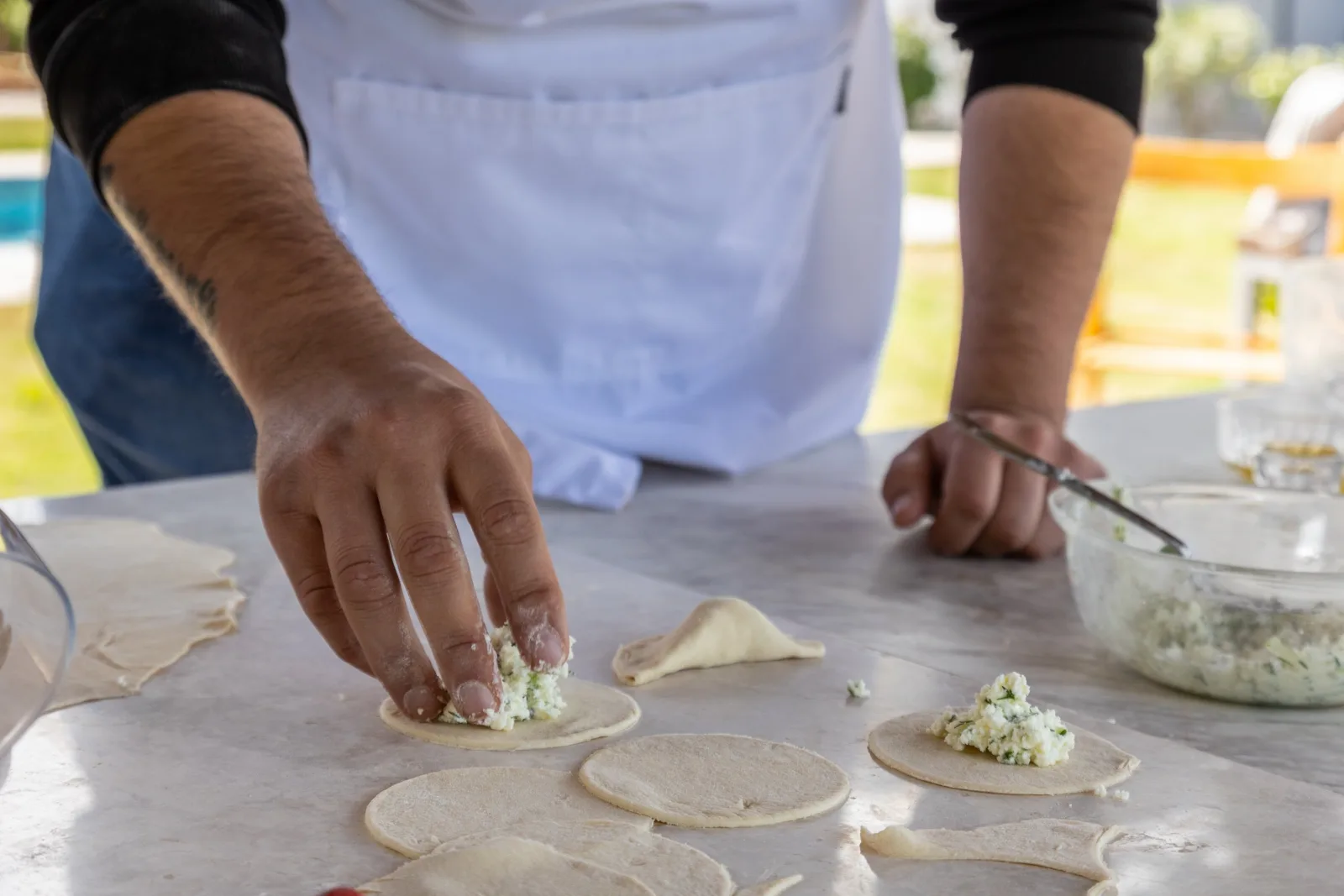
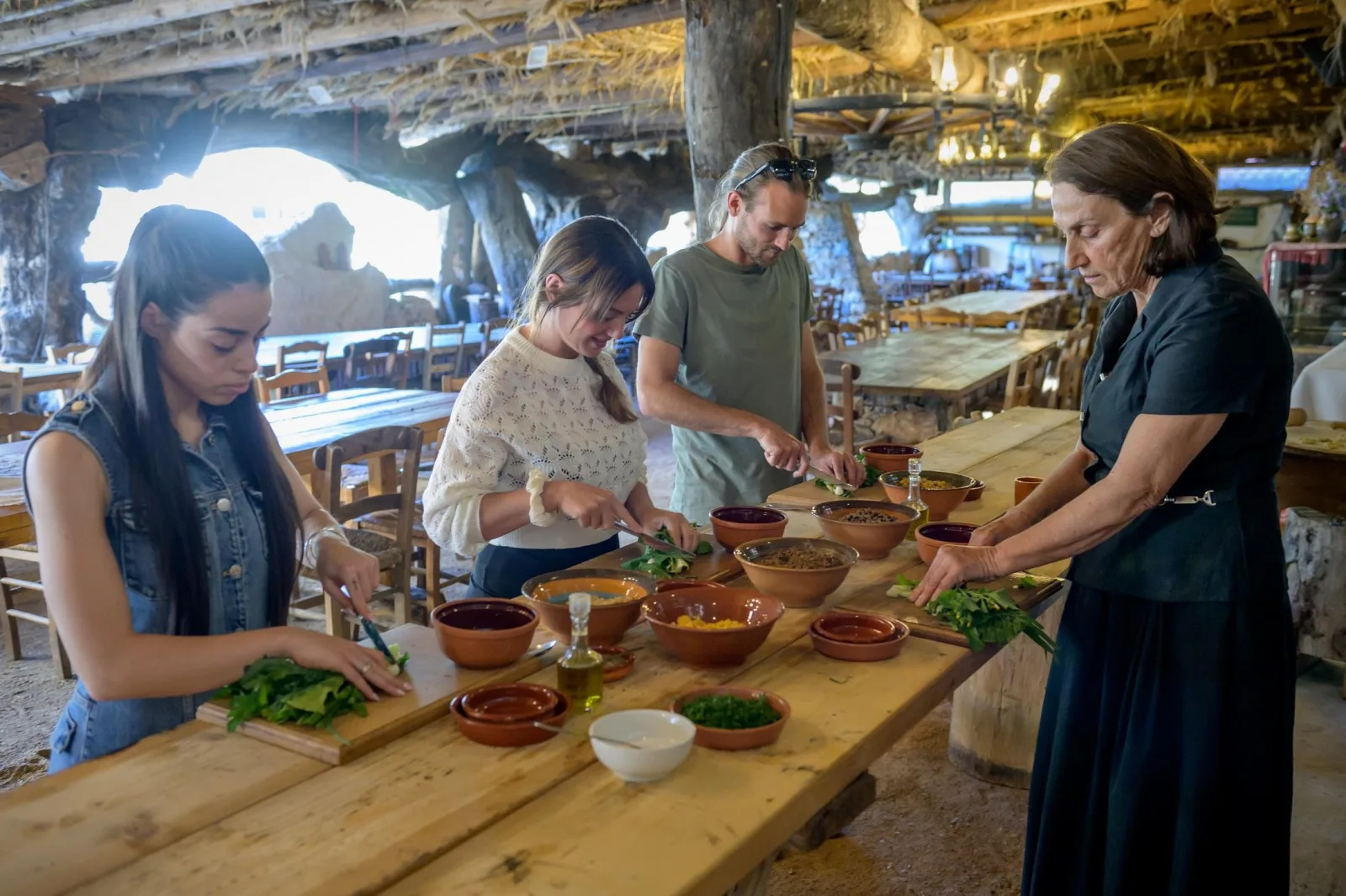
- Then, finally, you cook — Ninety minutes or so, hands-on. Dakos and tzatziki first because they are quick, then the fiddly things — rolling dolmades, crimping kalitsounia, stuffing peppers for gemista. Nobody watches a demonstration.
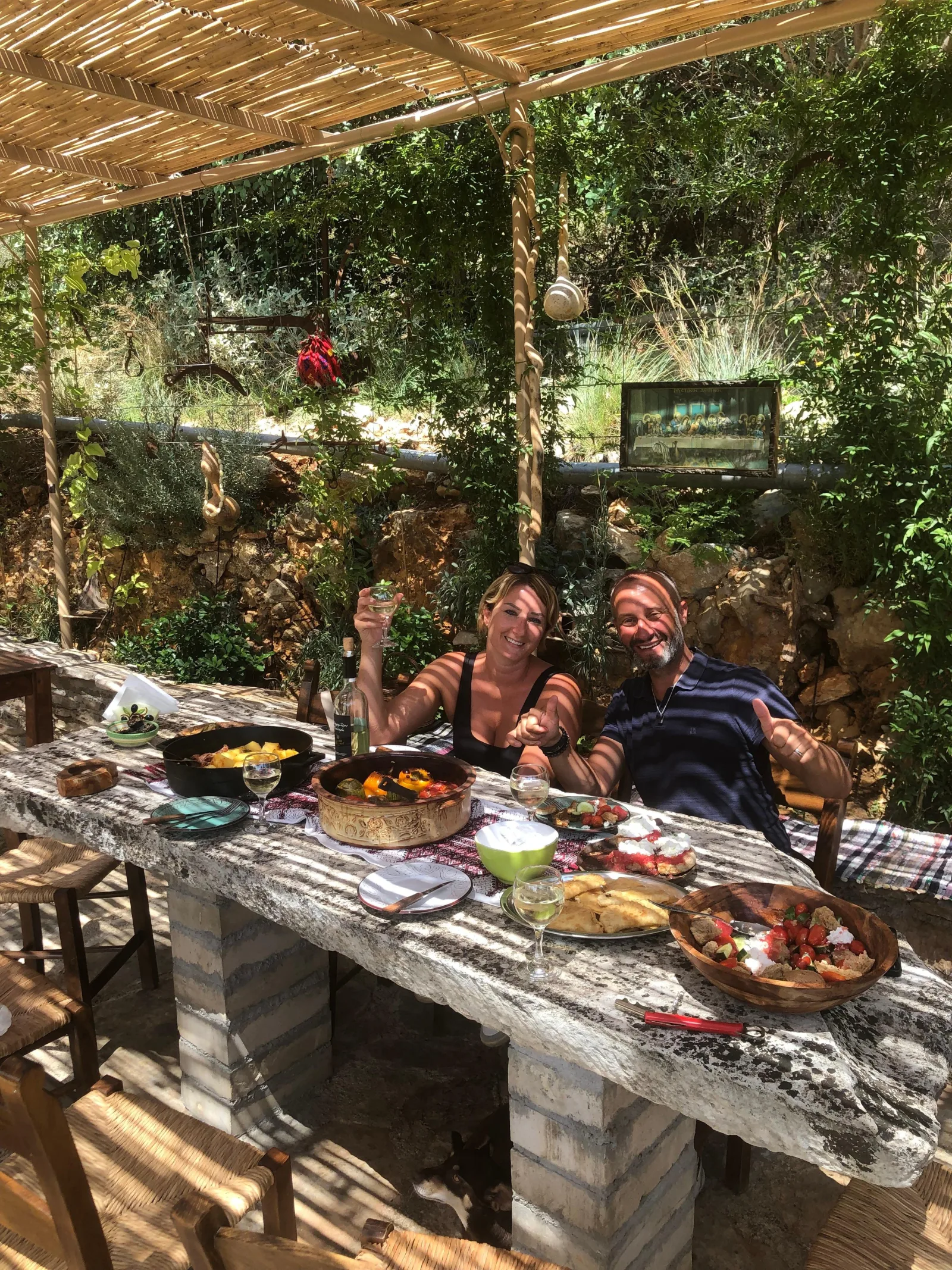
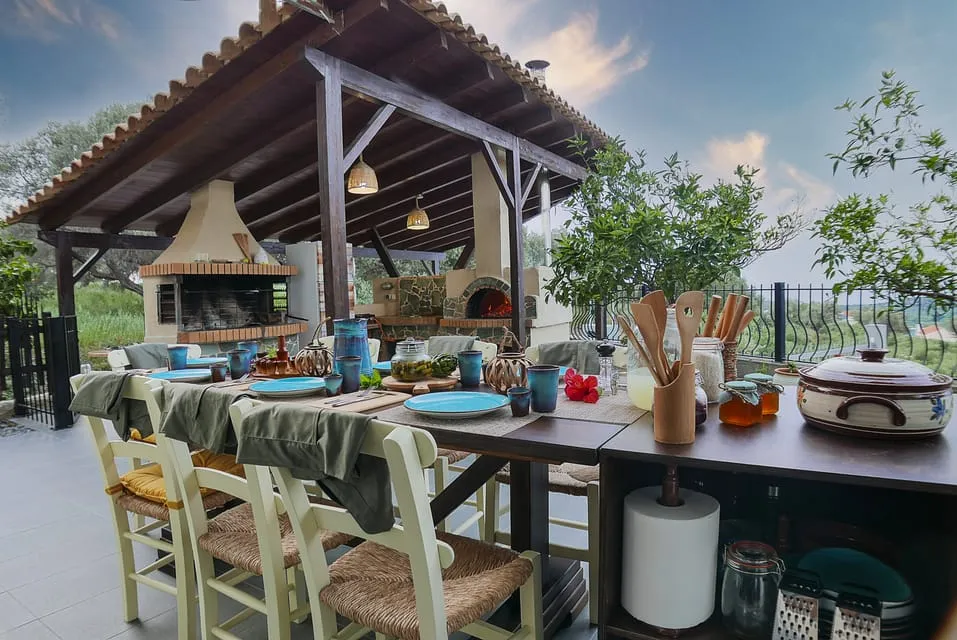
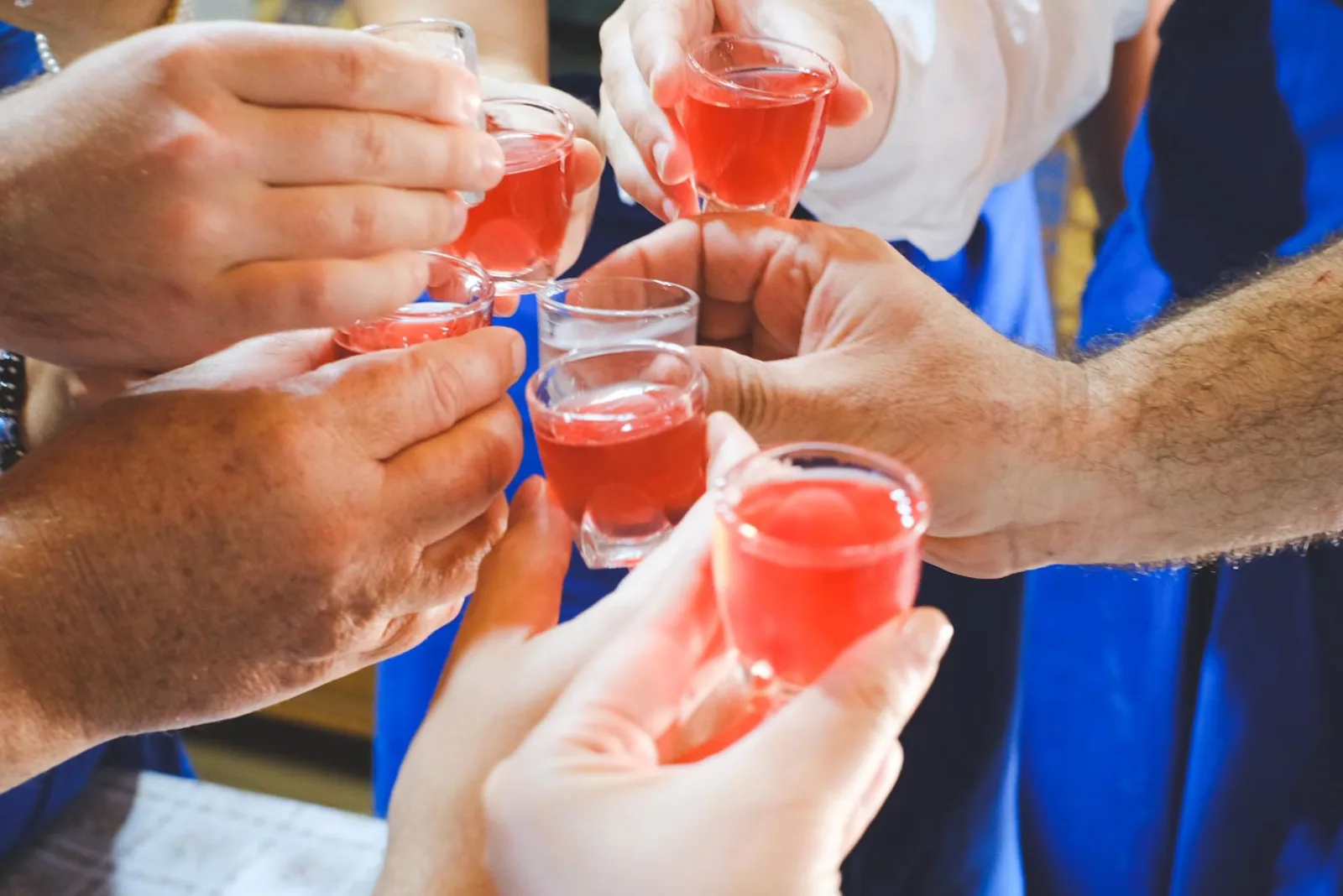
- And then you sit down for two hours — Everything you made, on one table, with local wine and raki poured throughout. On the farm classes this happens outdoors under a pergola. This is the part guests write their reviews about, and it is why the drive home needs a plan.
Photo Gallery
In the Kitchen, and the Garden
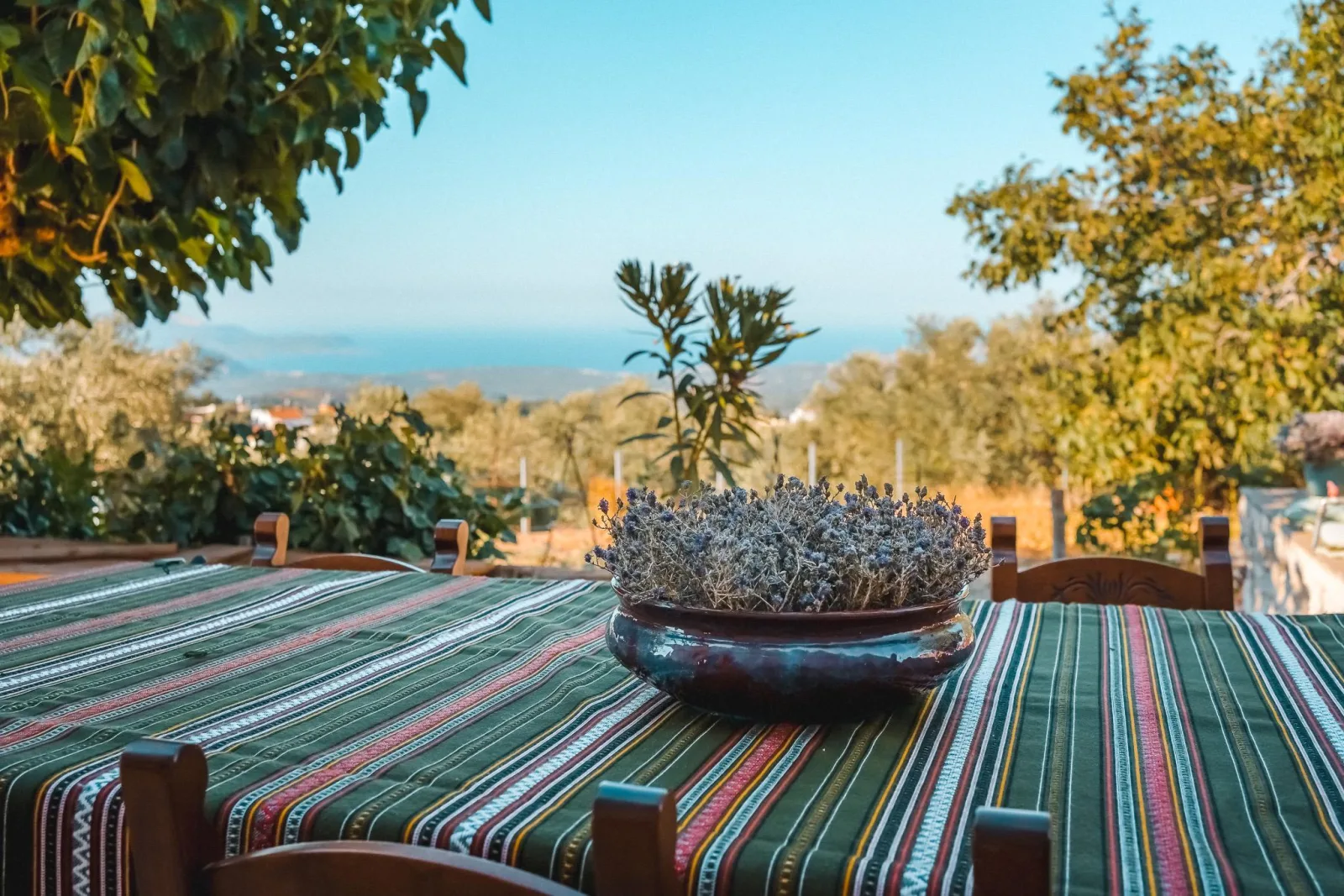
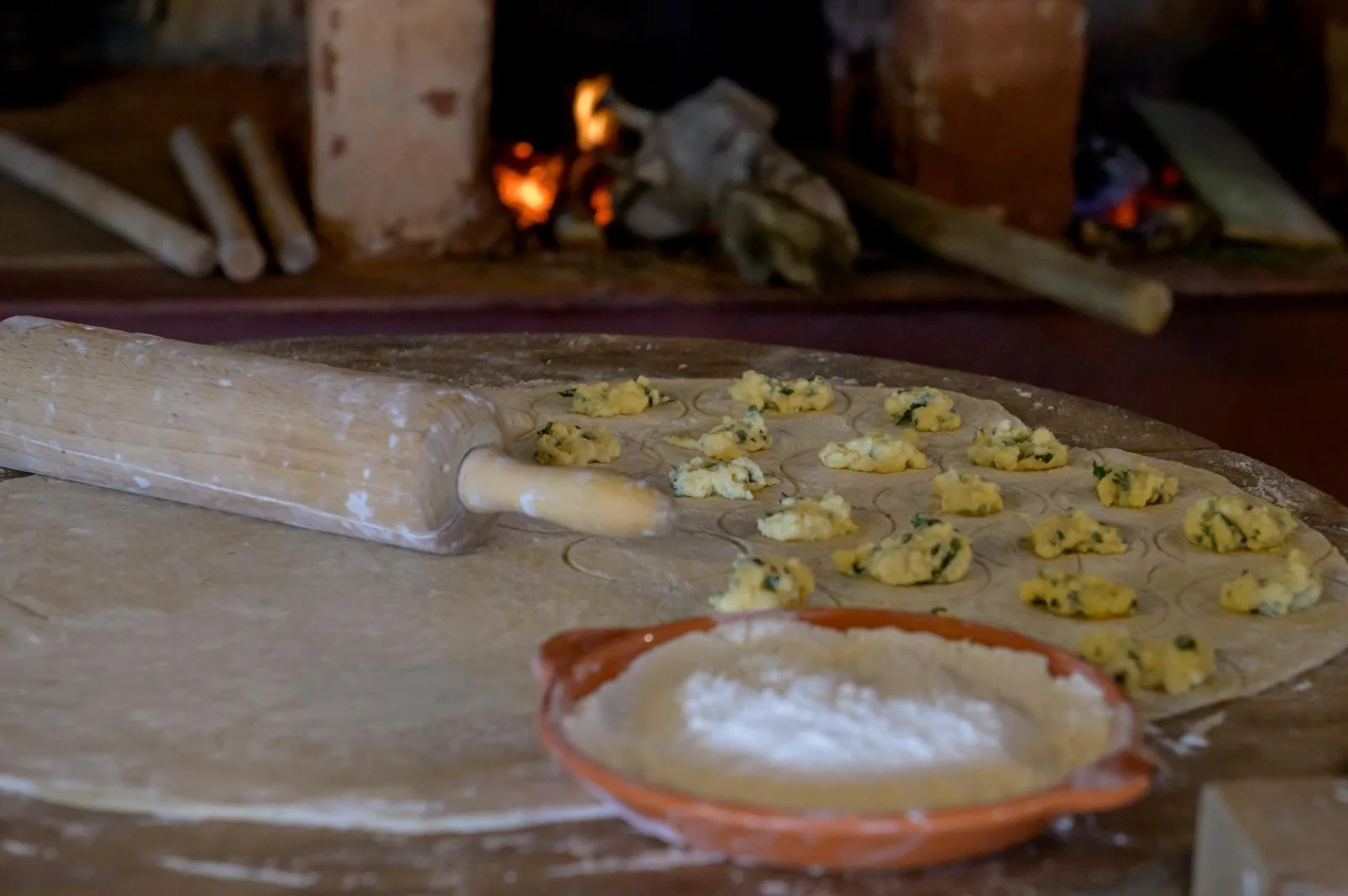
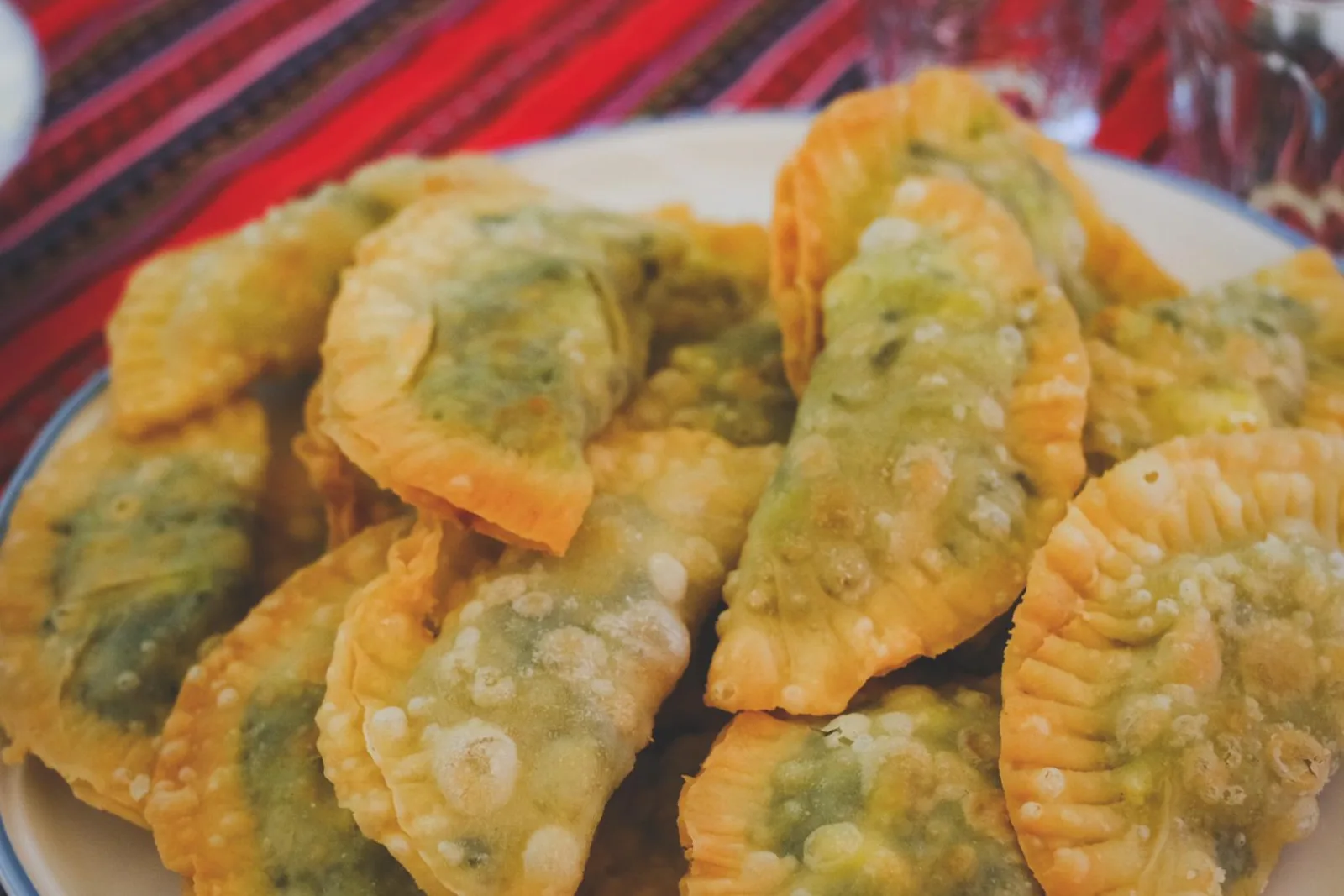
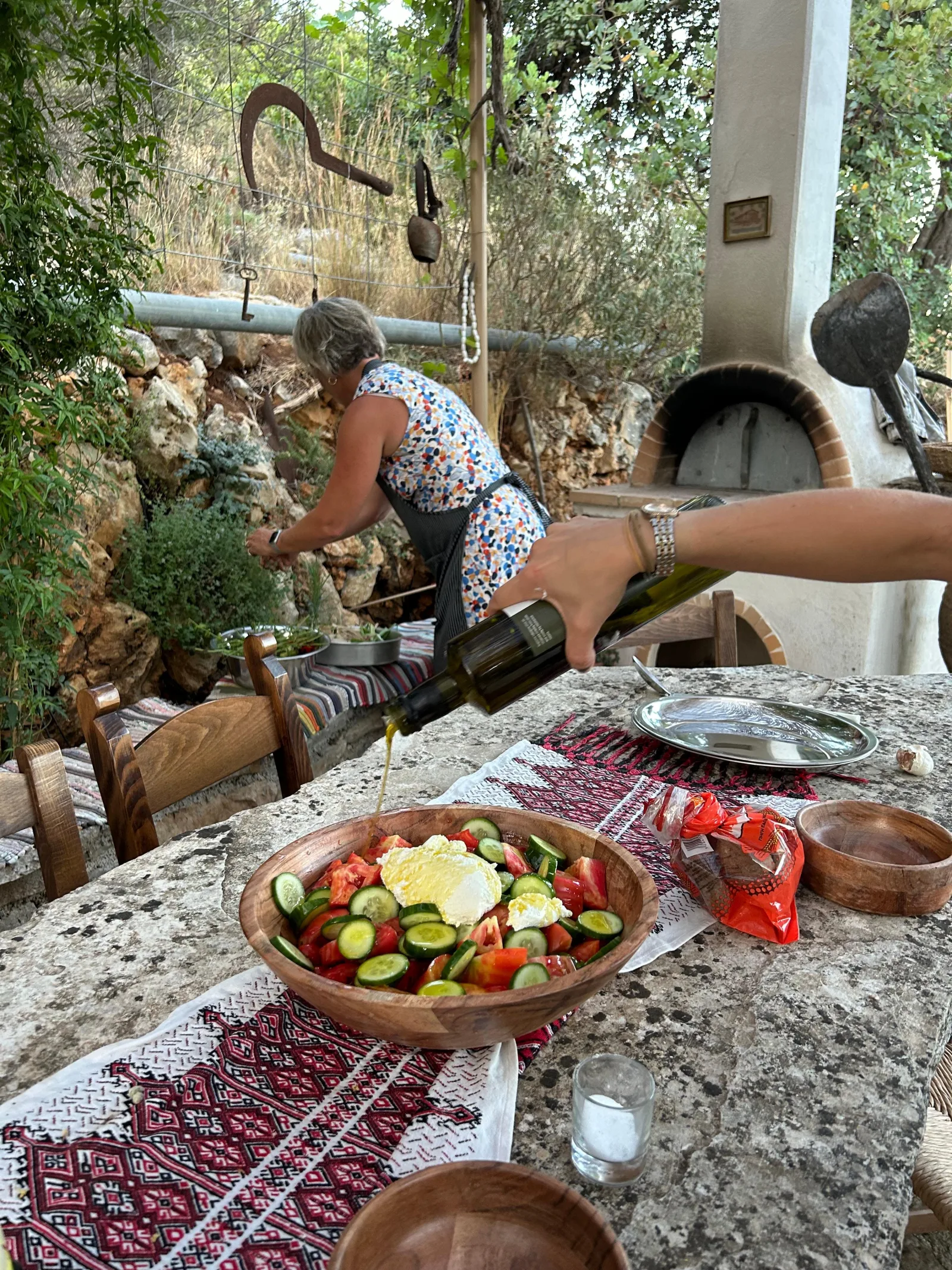
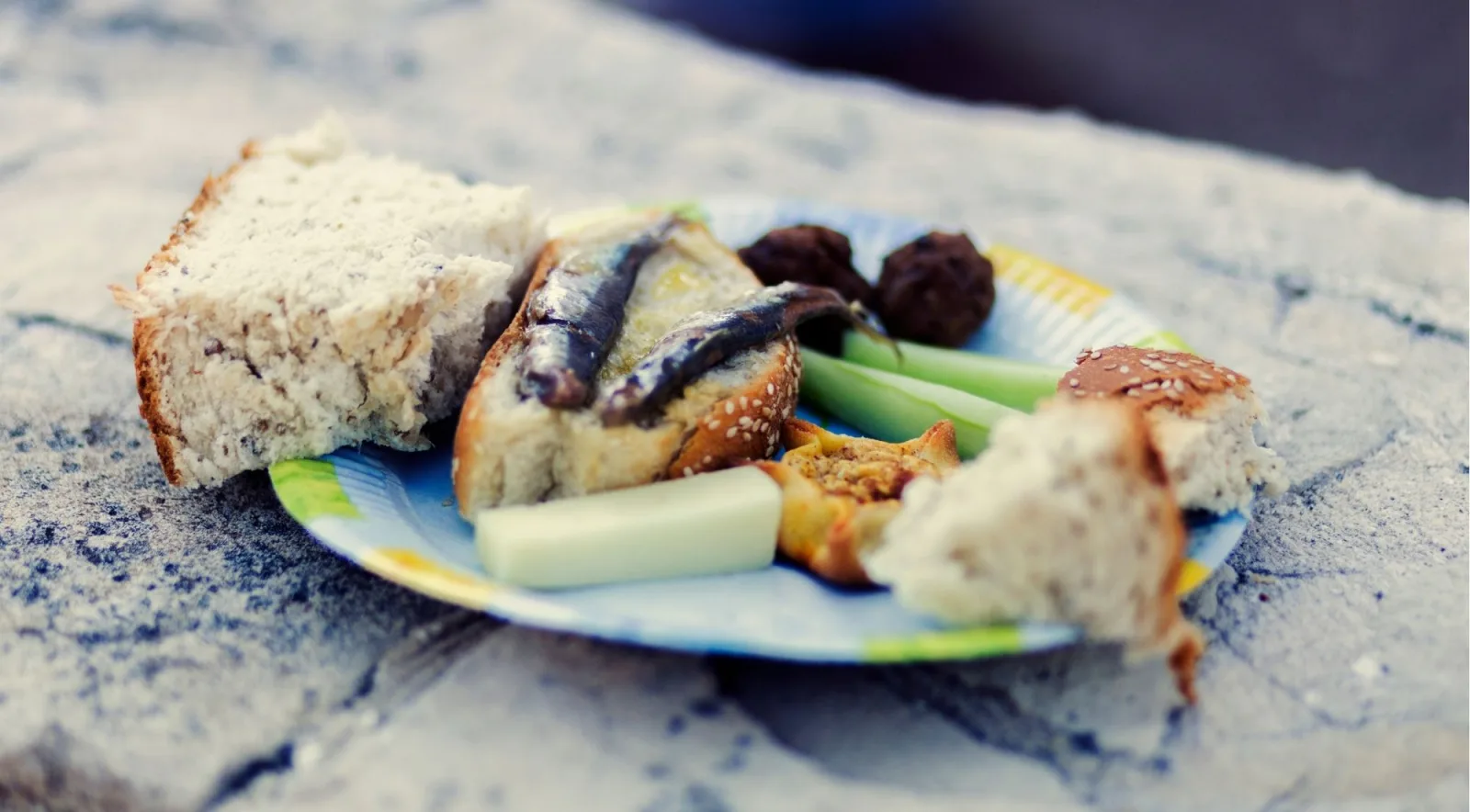
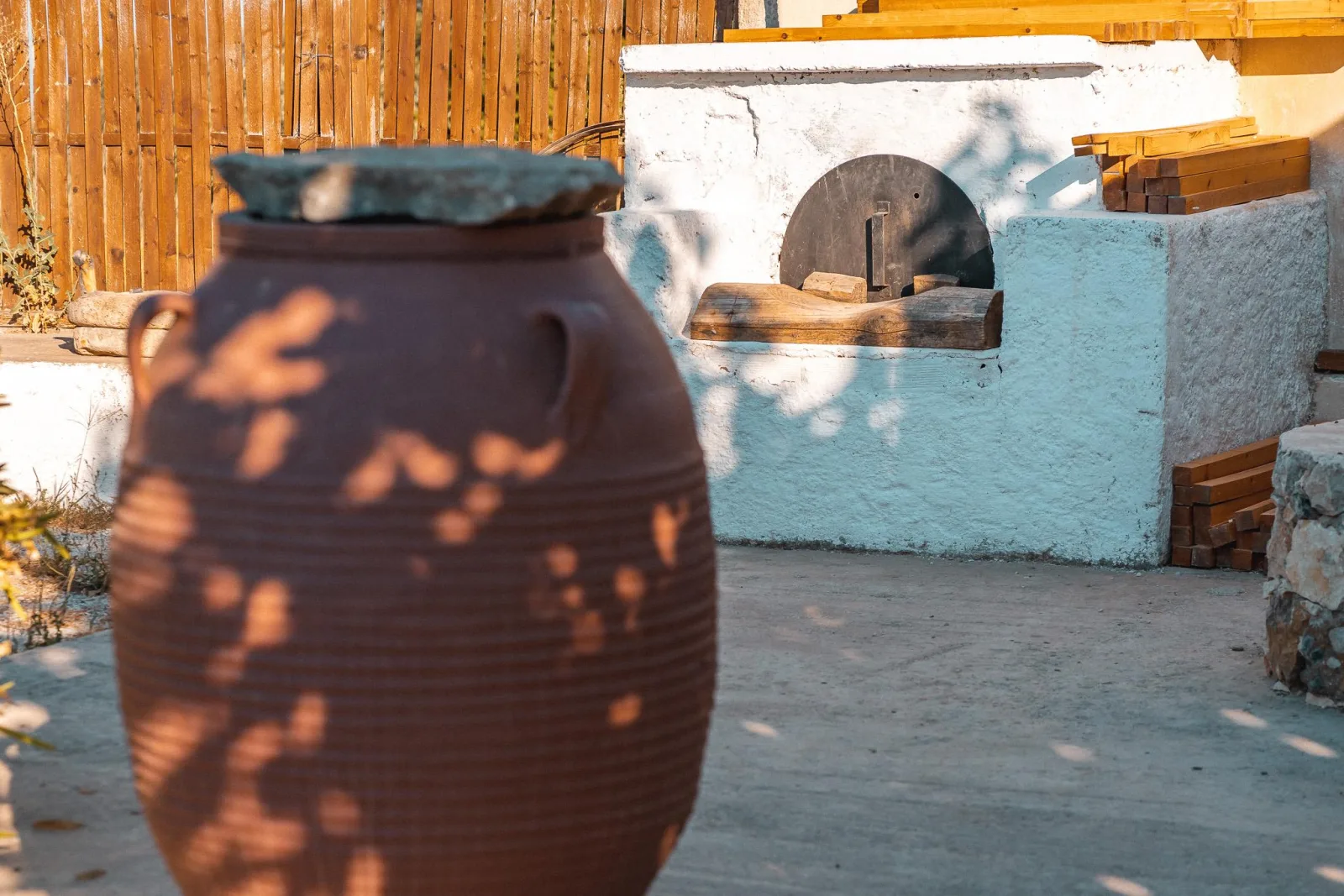
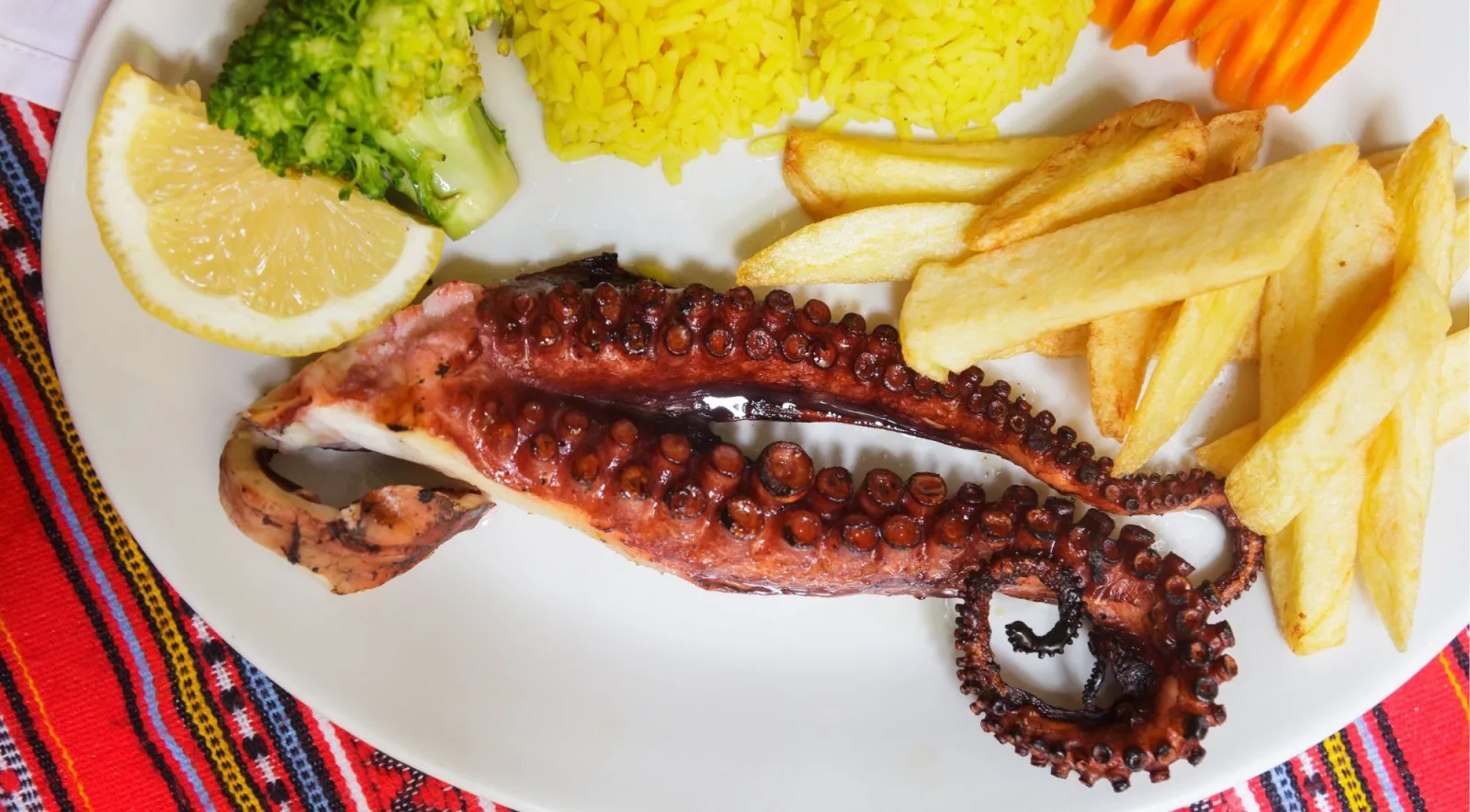
Photographs from the classes on this site — gardens, wood ovens, long tables.

Cooking Class, Day Trip, or Just Eat Out?
Three ways to meet Cretan food on a trip to the island, and what each one actually gives you.
| Feature | RECOMMENDED Village or Farm Cooking Class | Day Trip with a Cooking Stop | Tavernas Only, No Class |
|---|---|---|---|
| What You Actually Do | Pick herbs and vegetables from the garden, then cook a full meal yourself | Roughly 90 minutes of cooking inside a longer sightseeing day | Order from a menu and eat what someone else has made |
| Time Commitment | 2–5 hours, most of it in one kitchen and garden | 8 hours door to door, several stops, a lot of driving | A normal dinner, whenever you like |
| What You Learn | ✓ Technique — wood-oven timing, rolling dolmades, crimping kalitsounia | The outline of a few dishes, at day-trip pace | ✗ Nothing you could repeat at home |
| Dishes You Take Home | Dakos, gemista, kalitsounia, tzatziki, oven-baked lamb — recipes on request | One or two dishes, usually the simplest on the menu | ✗ None |
| Wine and Raki | ✓ Wine on every class on this site, raki on most | ✓ Included with lunch | Charged per glass |
| Transport | Included on one class; for the rest, drive or take a taxi | ✓ Hotel pickup and drop-off included | Walk from your hotel |
| Suits You If | You want the food, the kitchen and an afternoon with a Cretan family | You want to see the interior and cook as part of it | You are here to swim and have no interest in a kitchen |
| Free Cancellation | ✓ Up to 24 hours before | ✓ Up to 24 hours before | Not applicable |
| Starting Price | From $123 per person | From $103 per person, full day with lunch | €15–30 a head for a decent taverna dinner |
| See Classes | Browse Day Trips | View Options |
Compare Classes
Cooking Classes Across Crete
Six more classes, from a $61 Minoan afternoon near Heraklion to a farm day in Apokoronas — each one broken down.
 LOWEST PRICE
Crete: Minoan Cooking Class with Meal
TOP RATEDRethymno: Chrysoula's Cretan Home Cooking Lessons
A three-and-a-half-hour cooking lesson in a family home outside Rethymno: starters, a main and a dessert cooked in a wood oven, then the meal with local wine and raki.
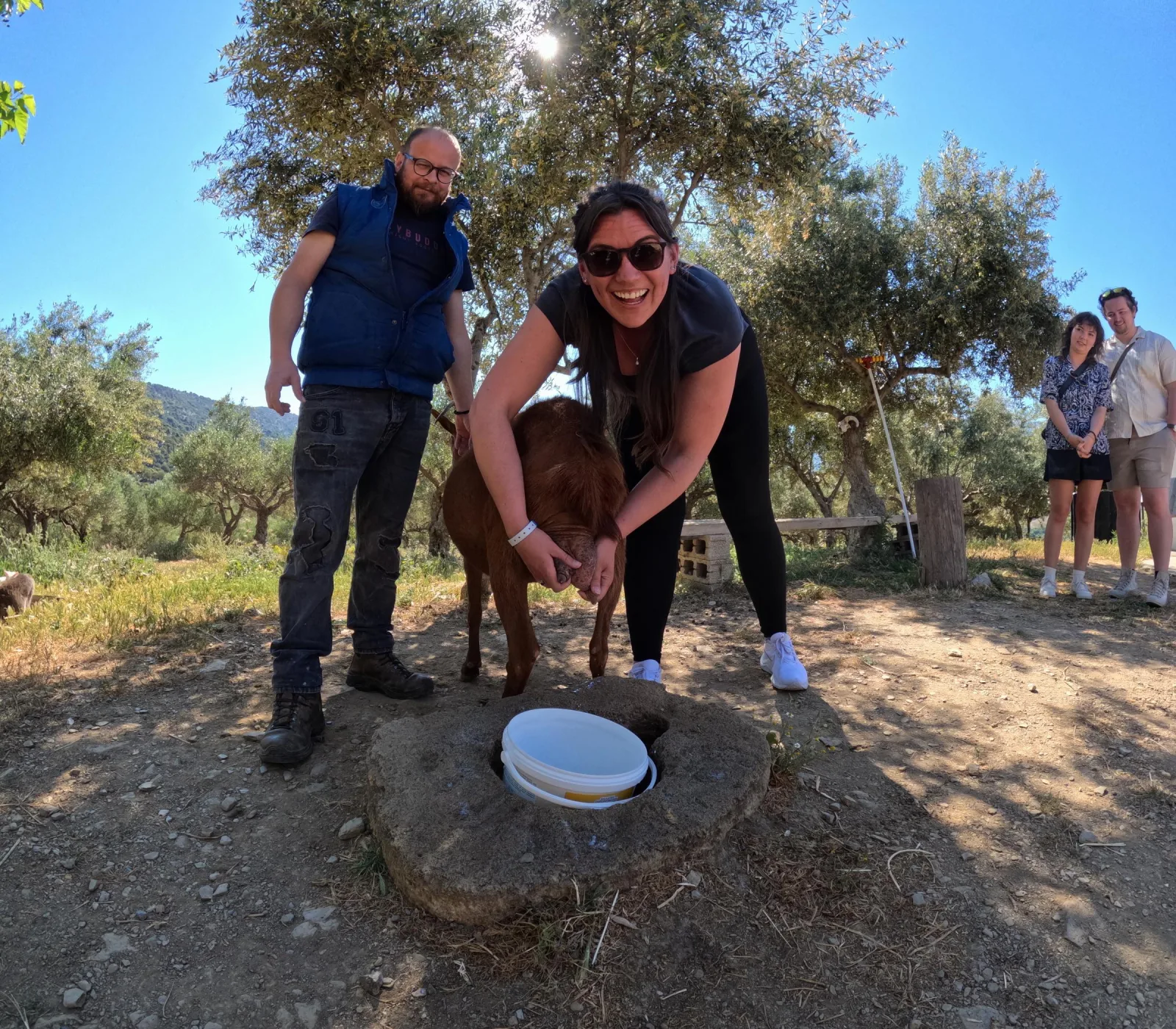 FULL DAY OUT
Crete 4x4 Tour: Farm Visit, Cooking Class, Pottery & Lunch
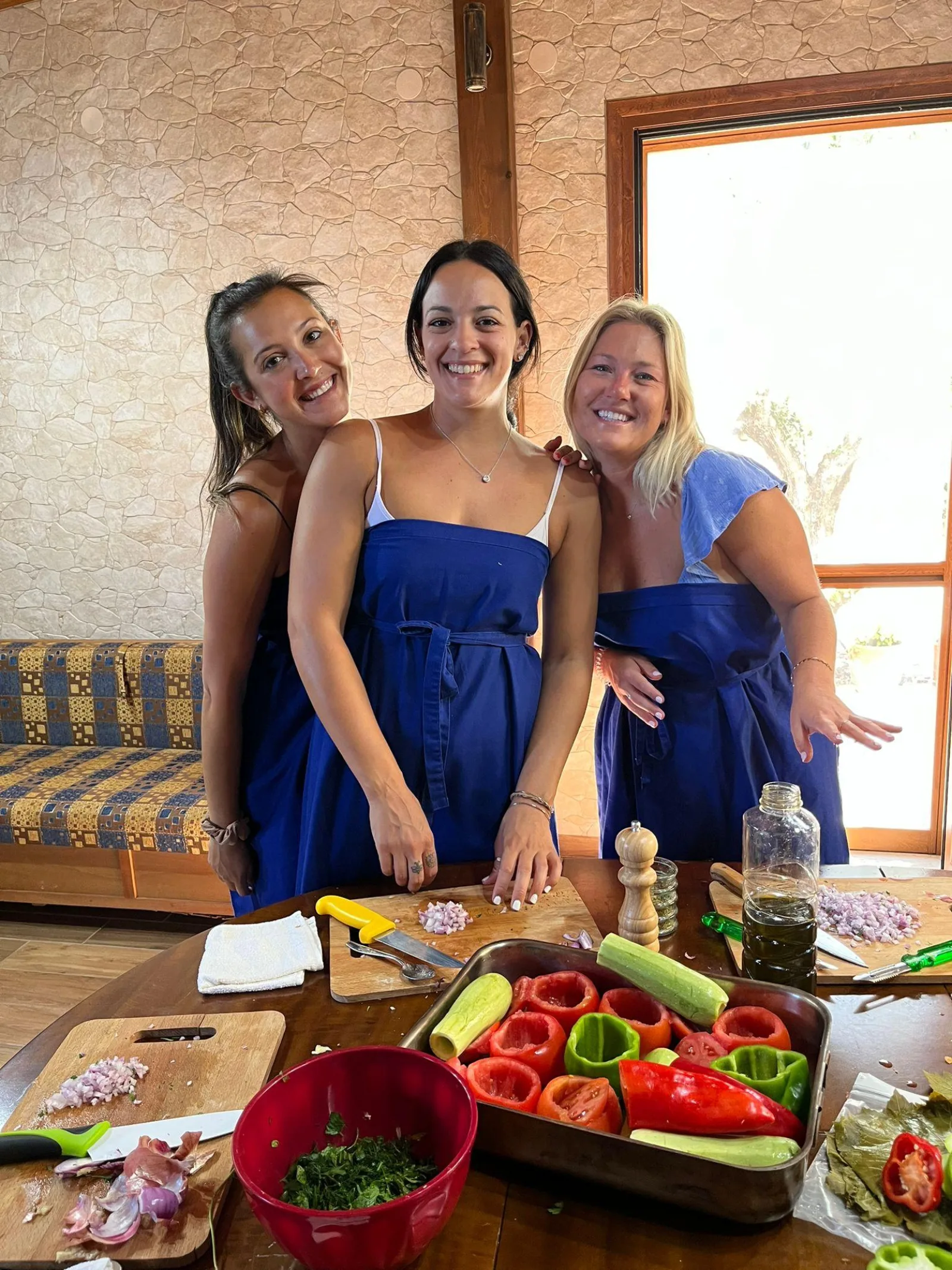 HIGHEST RATED
Chania: Authentic Cooking Class
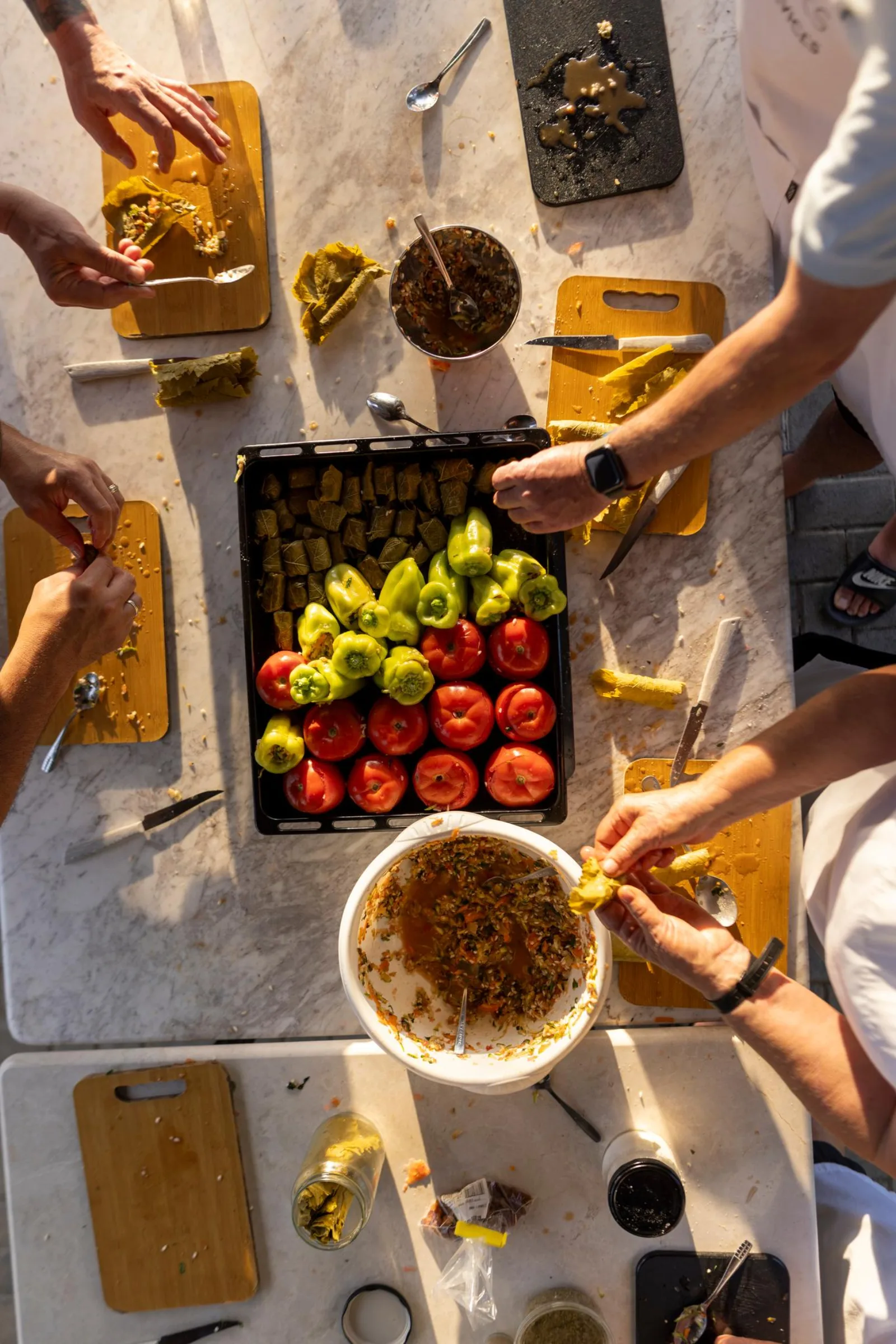 VEGETARIAN READY
Rethymno: Authentic Cooking Class with a Local
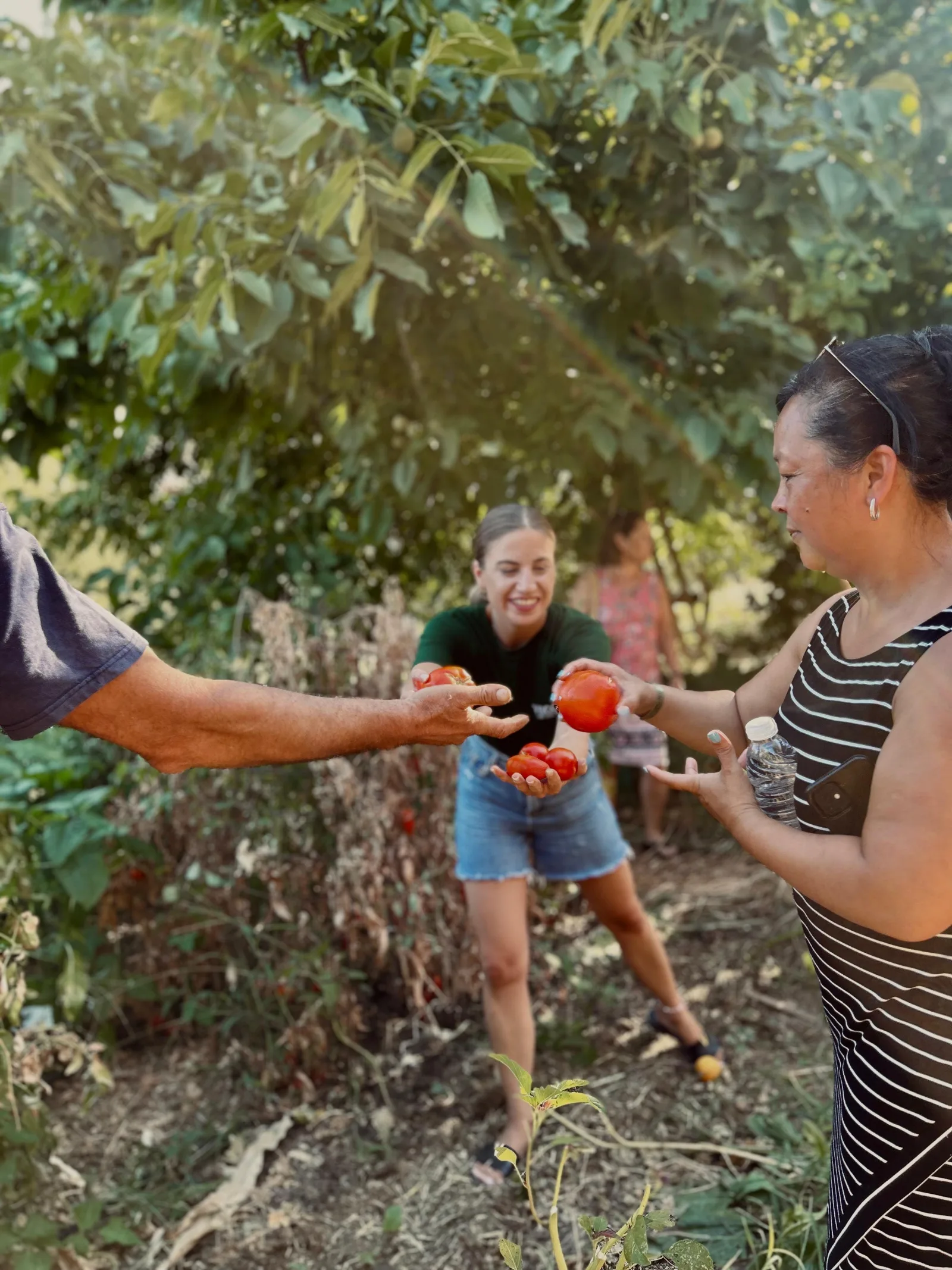 FAMILY PICK
Chania Area: Cooking Class at a Farm in Stylos Village
Before You Book
How Cooking Classes in Crete Actually Work
Region, format and what the price covers — the three things that decide whether you get a real afternoon or a demonstration.
Almost every search for a cooking class on Crete returns the same shape of page: a list of identical-looking listings, all promising “authentic”, all showing a smiling group around a table. What none of them tells you is the thing that actually decides whether you enjoy the afternoon — which region you book in, what format the class is, and how much of the price is transport you will end up paying separately. Those three questions sort the island’s classes far better than the star ratings do, because on Crete almost everything is rated above 4.7.
Region first, because Crete is bigger than it looks
Crete is 260 kilometres end to end, and the four cooking-class regions — Chania, Rethymno, Heraklion and Lasithi — have entirely separate operator pools. Chania to Heraklion is about 102 km and takes roughly two hours on the northern National Road; the inland routes to the village kitchens are slower again, on switchback roads where an eighteen-kilometre hop can take forty minutes. Nobody books a cooking class and then drives across the island for it twice in one day.
So book near where you are staying. Chania has the deepest supply and the two most-reviewed classes on the island. Rethymno’s strength is garden classes — outdoor tables, wood ovens, long afternoons. Heraklion has the cheapest and the strangest, including one that cooks a Minoan menu in clay replica vessels. Lasithi is genuinely remote, and the sensible way to reach it is a full-day trip that includes the drive rather than a standalone class.
Format matters more than the price
Underneath the identical listing photos, four quite different products are being sold.
A village or family-home class is the classic: you arrive at someone’s house, walk their garden, cook four to six dishes and eat them at a table with wine. Chania Cooking Class in Nerokourou is the purest example, fifteen minutes from town and rated 5.0 from 120 reviews — our breakdown →
A farm class adds the land. The Stylos village farm near Chania grows what you cook, uses no electricity at all — everything happens over a wood fire — and keeps goats, chickens and rabbits that turn it into the island’s best class for families. It is also the most expensive of the seven, from $134, and those facts are connected. Our breakdown → — and if you are travelling with children, the family guide covers the age limits, which differ from one listing to the next. Stylos is also the clearest version of a genuine farm-to-table cooking class on the island — several other listings use the phrase more loosely.
A combined day trip wraps the cooking inside sightseeing. The 4x4 farm, pottery and cooking day spends about ninety minutes of its eight hours at the kitchen; the rest is off-road tracks, the Lasithi Plateau, a pottery workshop and an olive mill. Excellent value if you want the interior as well as the food, and the wrong choice if you wanted to spend the afternoon cooking. Longer is rarely more cooking on this island — how the hours break down, class by class. Our breakdown →
An evening in a host’s home is the fourth. Dining in Rethymno: An Evening of Cretan Cooking is sold as exactly that: four hours of cooking and dining with a local host near Rethymno, drinks included, from $109. It is rated 5.0, but from only 13 reviews, so it is promising rather than proven. Near the same town, the better-tested home kitchen is Chrysoula’s home cooking lessons in the Arkadi area, from $113 and rated 5.0 from 129 reviews. Our breakdown →
Not sure the whole idea is for you? Whether a cooking class is worth it at all goes through the real advantages, the eight downsides and who should book a food tour instead.
If none of that settles it, the full side-by-side is in our guide to choosing a Cretan cooking class — or, if you are booking it as a date rather than as an activity, the formats that work for couples narrow it down differently.
If you are choosing between cooking and tasting, compare cooking classes with food tours, including walking options in the three main cities. Booking alone? The solo-traveller guide covers shared places, minimum charges and the return journey.
For olive oil, farms and hosted meals too, see the wider food-experience guide.
The transport question is the hidden cost
This is where the listings are least helpful. Of the seven classes we have looked at in detail, only two include transport: the White Mountains class above Chania, which sends an air-conditioned minivan to your hotel (what to know before you book it), and the 4x4 day trip. Every other kitchen sits outside a town, and the fare in both directions is yours.
That is not a small adjustment. For a sense of scale, one operator near Kritsa charges €20 (about $22) per person for hotel pickup, and a fare like that, both ways and for two, can close the gap between two classes that looked like they were priced differently. It also interacts with the drinking: wine is included on all seven and raki on most, so somebody has to be sober or nobody drives. It is wine with the meal, though, not a tasting — what “wine included” means here.
On price itself, the well-reviewed shared classes mostly cost from about $100 to $135 per person, and the Minoan class near Heraklion is the cheapest with its own page, from $61. Paying more mostly changes where the class is and whether a minivan collects you, not what you eat. What these classes cost, and where the transport fits in → If you are here without a car, which classes include hotel pickup and what the transfer is worth is the shorter version of that sum.
What you will actually cook
Rarely moussaka, and not souvlaki. Moussaka turns up as an example dish on one listing, Chrysoula’s, but Cretan cooking is its own tradition and most classes teach it straight: dakos, the barley rusk soaked briefly and piled with grated tomato, mizithra and oregano; chórta, the wild greens that are gathered rather than farmed and boiled with lemon and oil; gemista, peppers and tomatoes stuffed with rice and herbs; kalitsounia, small pies of cheese and greens, baked in the east and often fried in the west; tzatziki, made properly with strained yoghurt and drained cucumber; and one slow dish from a wood-fired oven, usually lamb, either wrapped as kleftiko or slow-fried as tsigariasto.
The through-line is olive oil, and the quantities surprise people. Cretan cooks use far more of it than a northern European kitchen would consider reasonable, and it is the thing every host will tell you that you are getting wrong. None of it assumes you can already cook — if anything, beginners get more out of these classes than confident cooks do. If you would rather choose a class by its menu, the dishes worth learning in person ranks them and says which listings publish each one. Every dish, hour by hour →
About the health claims
You will see the Cretan diet described as the reason Cretans were once the longest-lived people on earth. The evidence behind that is real but narrower than the phrasing suggests. The Crete cohort of Ancel Keys’ Seven Countries Study, followed from the late 1950s, did record strikingly low rates of coronary heart disease alongside a fat intake of roughly 40% of calories, most of it olive oil — an unusual combination that shaped the modern idea of a Mediterranean diet. Later researchers have questioned parts of it, notably whether Orthodox fasting periods caused animal-fat intake to be under-recorded during the survey weeks.
The honest version is that a diet built on olive oil, greens, legumes and barley, with meat as an occasional event, looks very good by current evidence — and that the Crete of the 1960s ate that way considerably more consistently than the Crete of today does. Cooking it for an afternoon is a good way to see why — one class near Heraklion traces its own menu back roughly 4,000 years to make exactly that point. The full Mediterranean-diet guide →
Booking, briefly
Reserve online, pay nothing today, and cancel free up to 24 hours before. No operator publishes how far ahead its classes fill, so the simple rule is to book as soon as your dates are fixed; a free cancellation leaves you room to change your mind. Tell your host what you eat when you book: vegetarian is straightforward almost everywhere on this island and almost never stated in the listing. And if you would rather the class replaced dinner than interrupted it, the evening options are the ones that run a dinner sitting.
Guest Reviews
What Guests Say
4.9/5
from 727 verified guests
Ratings and review counts are the tour operators' live figures on GetYourGuide and may shift slightly day to day.
"This was much more than just a cooking class and it was excellent. All of the local wines we had were good, and feeding the sheep was a fun experience. The food was all delicious and there was an abundance of it. The house is beautiful with gorgeous sunset views and they gave us time to take pictures. The tour guide Maria who picked us up and translated was the best. She taught us about Cretan history, agriculture, the villages we drove through, about Greek cheeses and more. It was a delightful evening."
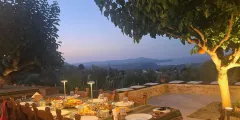
"We had the best evening in the White Mountains learning about the history of Crete and enjoying and learning how to cook some Cretan favourites. The hosts were lovely and welcomed us into their home, and our guide, Costa, was excellent, very friendly and knowledgeable and had lots of stories. A wonderful evening!"
"This has been the highlight of our trip so far! We not only learned cooking, but learned about some of the history of Chania and Crete. We were made to feel a part of the family while preparing and eating the delicious meal and left with some gifts and lifelong memories!"
"This was such a brilliant experience. Yannis is a great guide and the instruction from him and the other guides for the cooking was really good. Yannis has a great knowledge of Cretan history too. The setting for the cooking class was beautiful. Transport was really easy and communication was great. We went as a family of 4 with two teenage children and we all loved it."
Read all 727 verified reviews
See All ReviewsCook a Cretan Meal, Not a Greek One
Dakos, gemista, kalitsounia and lamb from a wood-fired oven — cooked by you, in a garden, with wine poured throughout. Free cancellation up to 24 hours before. Starting from $123 per person.
Check Availability & BookCooking Classes in Crete — Questions People Actually Ask
Prices, regions, transport, dietary needs and children, answered from the live listings.
The well-reviewed shared classes mostly cost from about $100 to $135 per person, and the two-hour Minoan class near Heraklion is the cheapest with its own page on this site, from $61. Paying more mostly changes where the class is and whether a minivan collects you, not what you eat. The full price breakdown →
Book near where you are staying. Chania, Rethymno, Heraklion and Lasithi have entirely separate operator pools, and the drives between them are longer than the map suggests: Chania to Heraklion is about 102 km and takes roughly two hours on the northern National Road, and the inland routes out to the village kitchens are slower again. Chania has the deepest choice and the most-reviewed class on the island; Rethymno has the strongest garden classes; Heraklion has the cheapest and the most unusual; and Lasithi is best reached as part of a full-day 4x4 trip rather than as a standalone class. Chania and Rethymno compared →
Almost never. Of the seven classes on this site, exactly two include transport: the White Mountains class above Chania, and the 4x4 day trip through Lasithi. Everything else expects you to arrive by hire car or taxi, and the village kitchens sit outside the towns. Add the fare in both directions before you compare two prices. For scale, one operator near Kritsa charges €20 (about $22) per person for hotel pickup. What the transfer is actually worth → Compare all seven classes →
Two to eight hours, and most sit at four or five. The important part is how that time is spent: a four-hour class is roughly forty minutes of welcome, half an hour in the garden, ninety minutes of actual cooking and then two hours at the table. The long meal is the class, not an add-on. Book it as your afternoon rather than as something to squeeze between the beach and dinner, or book a sitting that becomes dinner. What to expect, hour by hour → Evening classes with dinner →
Yes, and Crete is unusually easy for it — chórta (wild greens), dakos, gemista, legumes and briam are all traditional and all naturally meat-free. The catch is that almost no listing says so. The Rethymno garden class prepares meat and vegetarian menus as standard, and Chrysoula's home class east of Rethymno says its menu can be adapted for vegetarians; everywhere else, message the host through GetYourGuide after booking so the shopping is done for it. Vegan is more work than vegetarian because of the cheese, but the hosts are used to the request. The full vegetarian and vegan guide →
Most are, and the farm classes are actively good for them — Stylos village near Chania has goats, chickens, lambs and rabbits alongside the cooking, and families single it out in reviews. The 4x4 day trip includes goat milking and a pottery wheel. The one to avoid is the Minoan class near Heraklion: the operator states it is not suitable for children under 12. Cooking classes with children →
Dakos (the barley rusk with tomato and mizithra that Crete is known for), tzatziki, gemista (stuffed peppers and tomatoes), kalitsounia (small cheese and wild-greens pies), Cretan salad, and one slow dish from a wood-fired oven — usually lamb, whether kleftiko or tsigariasto. Souvlaki is not on any menu, and moussaka appears on only one, Chrysoula's home class near Rethymno. Cretan cooking is its own tradition, built on olive oil, greens, legumes and barley rather than on the mainland's tourist menu. You are not expected to have cooked any of it before — the host demonstrates every step. What a beginner should expect → Which dishes are worth learning →
No. Every class on this site runs in English. The 4x4 day trip also runs in German, French, Dutch and Russian, which is the widest language coverage in the niche; the Rethymno garden class adds French. Hosts on Crete are generally very comfortable in English.
Sometimes, but do not count on it. These are small-group classes with limited places, and none of the operators says how quickly they fill; the booking page sometimes marks a date as likely to sell out. Reservations take no payment today and cancel free up to 24 hours before, so booking as soon as your dates are fixed is the sensible move. When to book a class, month by month →
If you compare it to a taverna dinner, it looks expensive. If you compare it to a full afternoon that includes a garden, a wood-fired oven, four to six dishes you cooked yourself, several hours at a table and wine poured throughout, it is priced about the same as dinner for two. The ratings back it: the classes on this site average above 4.8, which is high even by GetYourGuide standards. Booking it as a date rather than as an activity changes which class you want: the classes that work for couples → The full pros-and-cons breakdown →
Closed comfortable shoes — the garden and farm classes walk on uneven ground — plus sun protection and a hat for the outdoor ones. Aprons and utensils are provided everywhere. The mountain class above Chania is noticeably cooler than the coast, so bring a layer even in summer. Bring an appetite and nothing else.
Wine is included on all seven classes here, and most add raki, which is more generous than most food experiences in Greece. That has a practical consequence: if you are driving to a village kitchen, decide before you arrive who is not drinking, or take a taxi. < href='/guides/cooking-classes-with-wine-in-crete/'>Cooking classes with wine →
Still have questions? Email us at info@cretecookingclasses.com
Keep Exploring
Explore More
Every cooking class and planning guide on this site, in one place.
Cooking Classes
- Chrysoula's Home Cooking Class near Rethymno - Review and Price
- Chania Cooking Class in Nerokourou - Review and Prices
- Crete 4x4 Farm, Pottery & Cooking Class Day Trip - Review
- Minoan Cooking Class near Heraklion, Crete - Review & Price
- Rethymno Cooking Class with a Local - Review, Prices, Menu
- Stylos Village Farm Cooking Class, Chania - Review & Price
- White Mountains Cooking Class, Chania - Review & Prices
Guides
- GS Tours White Mountains Cooking Class: What to Know Before You Book
- Are Cooking Classes in Crete Worth It?
- The Best Cretan Dishes to Learn in a Cooking Class
- Crete Cooking Classes with Hotel Pickup
- Evening Cooking Classes in Crete
- Crete Cooking Class vs Food Tour: Which Should You Choose?
- Crete Cooking Classes for Solo Travellers
- Farm-to-Table Cooking Classes in Crete
- How Much Do Cooking Classes in Crete Cost?
- Mediterranean Diet Cooking Classes in Crete
- Cooking Classes with Wine in Crete
- Family-Friendly Cooking Classes in Crete
- One-Day Cooking Classes in Crete
- Are Cooking Classes in Crete Good for Beginners?
- Cooking Classes in Crete for Couples
- The Best Food Experiences in Crete
- Best Time for a Cooking Class in Crete
- Chania or Rethymno for a Cooking Class?
- Vegetarian and Vegan Cooking Classes in Crete
- What to Expect at a Cretan Cooking Class
- Which Cooking Class in Crete Is Right for You?